Ubiquiti Premium Home Network Guide: How to Build a High-Performance UniFi System
In today’s connected homes, your network is no longer just about WiFi; it’s the foundation of remote work, smart automation, 4K streaming, gaming, and security. A single consumer router simply can’t keep up with the growing number of devices competing for bandwidth. That’s where a premium solution like Ubiquiti Inc. and its UniFi ecosystem comes in.
This Ubiquiti Premium Home Network Guide is designed for prosumers, tech enthusiasts, and remote professionals who want more than “good enough” internet. You want reliability. You want visibility. You want control.
Unlike off-the-shelf routers, UniFi systems are built on enterprise-grade architecture, scalable, secure, and designed for long-term performance. Whether you're upgrading a smart home or building a structured network from scratch, the right foundation makes all the difference.
If you’re planning a fully integrated home technology environment, your network should be treated as core infrastructure, not an afterthought.
Key takeaway: A premium home deserves a professionally designed, scalable network backbone, and UniFi delivers exactly that.
Quick to Know
Ubiquiti Inc. builds enterprise-inspired networking solutions designed for both businesses and high-performance homes.
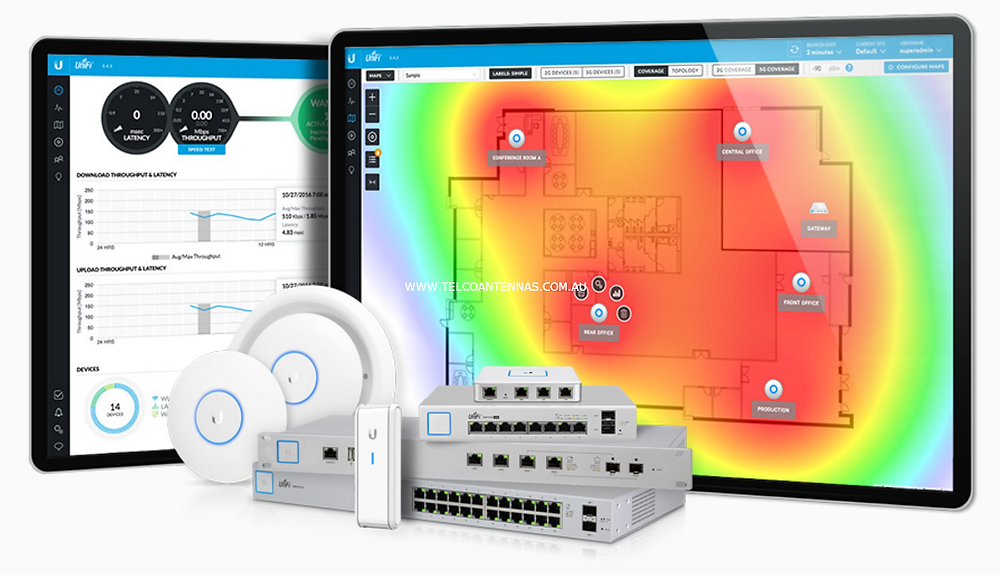
The UniFi ecosystem includes gateways, switches, WiFi access points, cameras, and centralised management software.
Unlike traditional routers, UniFi systems use multiple access points for seamless whole-home coverage.
You get advanced features like VLAN segmentation, deep traffic visibility, and built-in security tools.
UniFi networks are scalable; you can start small and expand as your home or needs grow.
Key takeaway: UniFi isn’t just a router upgrade, it’s a complete, scalable networking platform built for serious performance.
Enterprise-level stability without enterprise complexity
Seamless whole-home WiFi with multiple access points
Advanced security and traffic control
Clean, scalable hardware design
Full visibility through a centralised dashboard
Key takeaway: A UniFi-based network delivers reliability, control, and performance that consumer routers simply can’t match.
Q/A
Q: Why isn’t a high-end consumer router enough for a premium home network?
A: Even the most expensive all-in-one routers are limited by design. They combine routing, switching, and WiFi into a single device, which creates bottlenecks as the number of devices grows. In modern homes filled with smart TVs, security cameras, voice assistants, laptops, and gaming consoles, performance quickly drops. A structured system like UniFi separates these functions into dedicated components, improving stability, coverage, and control.
Key takeaway: Premium performance requires distributed infrastructure, not a single overloaded router.
The UniFi Ecosystem Explained: Gateway, Switching, and Access Points Working Together
At the heart of any Ubiquiti Premium Home Network Guide is understanding how the UniFi ecosystem works together. Unlike traditional routers, UniFi separates networking into specialized components that communicate seamlessly through a centralized controller.
First, you have the gateway, such as the UniFi Dream Machine Pro, which manages routing, firewall rules, VPN access, and security policies. This is your network brain.
Next comes the managed switch, often with PoE (Power over Ethernet), which distributes stable wired connections throughout the home while powering access points and cameras.
Then, WiFi access points are strategically installed, usually ceiling-mounted, to create uniform coverage instead of blasting signal from one corner of the house.
All devices are managed through UniFi OS, providing real-time traffic monitoring, device management, and performance insights from a single dashboard.
This modular architecture is what makes UniFi scalable, professional, and future-ready.
Key takeaway: The strength of UniFi lies in its modular design, each component has a purpose, creating a stable and expandable network foundation.
Gateway manages routing, firewall, and security
PoE switch builds a strong wired backbone
Multiple access points ensure seamless coverage
The central dashboard provides full network visibilit
Modular design allows easy future expansion
Key takeaway: A UniFi ecosystem works as a coordinated system, not a single device, delivering performance through smart architecture.
Designing a Premium Home Network: Structured Wiring, WiFi Coverage, and VLAN Strategy
Building a premium home network starts with one principle: wire first, broadcast second. While WiFi delivers convenience, performance begins with a solid Ethernet backbone.
Using Cat6 or Cat6A cabling, each critical room, office, media room, living space, should have dedicated wired connections. A managed PoE switch powers access points and ensures stable throughput without congestion.
For WiFi design, plan coverage strategically. Instead of placing one powerful router in a corner, install one access point roughly every 1,000–1,500 square feet. Ceiling placement ensures optimal signal dispersion and seamless roaming between zones.
Next, implement VLAN segmentation. Separate networks for:
Work-from-home devices
Smart home / IoT
Guest access
Security systems
This improves both security and bandwidth management.
A properly designed UniFi network doesn’t just “reach everywhere”, it performs consistently under load.
For homeowners integrating automation and AV systems, network planning should align with broader infrastructure strategy, like Golden Entertainment’s smart home design approach.
Key takeaway: Premium networks are intentionally designed, with structured wiring, smart AP placement, and traffic segmentation at the core.
Q/A
Q: Is UniFi overkill for remote workers or gamers?
A: Not at all. Remote professionals rely on stable VPN connections, uninterrupted video calls, and consistent upload speeds. Gamers demand low latency and minimal packet loss. A properly configured UniFi system allows traffic prioritization (QoS), VLAN separation, and real-time monitoring, meaning work traffic doesn’t compete with streaming or gaming devices.
For power users, stability matters more than raw speed. UniFi provides both, with the added benefit of long-term scalability as device counts grow.
Key takeaway: For performance-critical users, UniFi delivers consistency and control that basic routers simply can’t provide.
Advanced UniFi Features: Security, Traffic Control, and Remote Management
Once your infrastructure is in place, the real power of a UniFi system begins to show. This is where prosumers and advanced users gain true control over their digital environment.
UniFi provides detailed traffic analytics, allowing you to see exactly which devices consume bandwidth and when. With Deep Packet Inspection (DPI), you can identify streaming, gaming, work applications, and background services in real time.
Security is another major advantage. Advanced firewall rules, GeoIP filtering, intrusion detection and prevention (IDS/IPS), and secure VPN access help protect both personal data and connected devices.
For smart homes, VLAN segmentation ensures IoT devices remain isolated from workstations and personal data. This dramatically reduces security risks without sacrificing performance.
Remote management is equally powerful. You can monitor, update firmware, and adjust configurations from anywhere, ideal for frequent travelers or secondary properties.
Key takeaway: UniFi transforms your home network from a passive utility into a fully monitored, secure, and intelligently managed system.
Real-time traffic monitoring with Deep Packet Inspection
Advanced firewall and intrusion prevention tools
Secure VPN access for remote connectivity
VLAN isolation for IoT and guest devices
Remote management and firmware control
Key takeaway: UniFi gives power users visibility, security, and control far beyond standard home networking equipment.
DIY or Professional Installation? Choosing the Right Approach for Your UniFi Network
One of the biggest advantages of Ubiquiti Inc. equipment is flexibility. The UniFi is DIY-friendly for users comfortable with networking basics. If you understand IP addressing, VLAN setup, and firewall rules, you can absolutely build your own premium system.
However, premium homes often require more than a basic configuration.
Professional installation ensures:
Proper rack layout and ventilation
Clean cable labelling and future-proof wiring
Optimised access point placement
Secure firewall configuration
Seamless integration with AV, automation, and security systems
In high-end environments, networking is infrastructure, not just technology. Mistakes in design can create dead zones, bottlenecks, or security vulnerabilities that are difficult to diagnose later.
For homeowners investing in smart lighting, whole-home audio, and security systems, working with an experienced integrator ensures everything performs as one cohesive ecosystem.
Key takeaway: DIY works for tech-savvy users, but professional design ensures long-term performance, security, and scalability.
Q/A
Q: How scalable is a UniFi-based home network over time?
A: Extremely scalable. The UniFi ecosystem is modular by design. You can start with a single gateway and one access point, then expand with additional switches, WiFi units, or security cameras as your needs grow. There’s no need to replace your entire system when upgrading, you simply add components to the existing infrastructure.
This makes UniFi ideal for growing families, expanding smart homes, or homeowners planning future renovations.
Key takeaway: UniFi grows with your home, protecting your investment long-term.
A premium home network starts with structured Ethernet wiring and a centralized rack location
UniFi uses a modular system of gateways, switches, and access points for stability and scalability.
Multiple ceiling-mounted APs provide seamless coverage instead of relying on one overloaded router.
VLAN segmentation improves both performance and security across work, guest, and IoT networks.
Advanced firewall, VPN, and traffic monitoring tools give full visibility and control.
UniFi systems scale easily, new devices can be added without replacing core infrastructure.
Remote workers, gamers, and smart-home owners benefit most from structured network design.
DIY setup is possible, but professional planning ensures long-term reliability and integration.
Key takeaway: A UniFi-powered premium network is not just faster WiFi, it’s a scalable, secure infrastructure built for modern digital living.
A premium home deserves more than a basic router sitting on a shelf. If you’re ready to build a high-performance network that supports remote work, smart home automation, streaming, and security without compromise, it’s time to design it the right way.
Whether you’re upgrading an existing setup or starting from scratch, a properly planned UniFi system ensures stability, scalability, and long-term value.
Connect with Golden Entertainment to discuss your home’s layout, device needs, and future expansion plans. Our team can help you design and implement a structured, professional-grade network tailored to your lifestyle.