Samsung Smart Home Solutions
Modern homes are becoming smarter, more connected, and easier to manage than ever before. Samsung's smart home solutions, powered by the SmartThings platform, allow homeowners to connect, monitor, and control multiple devices from one simple interface. Instead of managing separate apps for lighting, security cameras, appliances, and climate systems, SmartThings brings everything together in one intelligent ecosystem.
With Samsung SmartThings, everyday routines can become automated. Lights can turn on when you arrive home, thermostats can adjust automatically to save energy, and security cameras can send instant alerts directly to your smartphone. The system connects compatible devices, from Samsung TVs and refrigerators to smart locks, sensors, and lighting, creating a seamless experience where technology works quietly in the background.
For homeowners, renters, property developers, and smart home enthusiasts, this kind of integration offers both convenience and efficiency. Smart homes are no longer just futuristic concepts, they are practical systems designed to improve comfort, security, and energy management.
By understanding how Samsung’s SmartThings ecosystem works, anyone can begin building a connected home that responds intelligently to their daily lifestyle.
Key takeaway: Samsung SmartThings simplifies smart home management by connecting multiple devices into one unified, easy-to-control system.
Samsung’s SmartThings platform is the central system that connects and controls a wide range of smart home devices. Through a single mobile app, users can monitor appliances, adjust lighting, manage security systems, and automate daily routines without switching between different applications.
One of the biggest advantages of SmartThings is its broad compatibility. It supports many Samsung products, such as smart TVs, refrigerators, washers, and air conditioners, while also integrating with thousands of third-party devices, including sensors, smart locks, cameras, and lighting systems.
The platform allows users to create automated scenes and routines, like turning off all lights at bedtime or activating security monitoring when leaving the house. With real-time notifications and remote access, homeowners can stay connected to their home from anywhere.
Key takeaway: SmartThings acts as the central hub that brings different smart devices together for simple, unified home control.
Centralized Control: Manage multiple smart devices from one SmartThings app.
Seamless Automation: Create routines that automate lighting, appliances, and security.
Energy Efficiency: Monitor and optimize energy usage through connected devices.
Remote Access: Control and check your home anytime from your smartphone.
Wide Compatibility: Works with many Samsung and third-party smart home products.
Key takeaway: Samsung SmartThings makes smart homes easier to manage by combining control, automation, and device compatibility in one platform.
Q/A
Q: Do I need only Samsung devices to use SmartThings?
No. While Samsung products integrate smoothly, SmartThings also supports many third-party smart devices such as lights, sensors, locks, and cameras.
Q: Can I control my home remotely?
Yes. Using the SmartThings mobile app, you can monitor and control devices from anywhere with an internet connection.
Q: Is SmartThings difficult to set up?
Most devices connect through a simple step-by-step process inside the SmartThings app.
Key takeaway: SmartThings is flexible, easy to install, and compatible with many smart home devices.
How Samsung SmartThings Connects Your Entire Smart Home Ecosystem
Samsung’s smart home ecosystem is built around the SmartThings platform, which acts as the central control system for connected devices throughout the home. Instead of managing each smart product separately, SmartThings links them together so they can communicate and operate as part of one unified system.
At the center of this ecosystem is the SmartThings app, available on smartphones and tablets. Through the app, users can add devices, monitor activity, create automation routines, and control appliances remotely. For example, a homeowner can check if the doors are locked, adjust the lighting, or monitor security cameras, all from a single dashboard.
Samsung also integrates SmartThings into many of its own products. Smart TVs, refrigerators, washing machines, air conditioners, and even robot vacuums can become part of the connected home network. This allows appliances to work together intelligently. For instance, a TV can show a notification if the washing machine cycle finishes, or the air conditioner can adjust automatically when temperature sensors detect changes in the room.
Another important part of the SmartThings ecosystem is automation scenes. Users can create routines such as “Good Morning,” “Leaving Home,” or “Night Mode.” These scenes allow multiple devices to react at once, for example turning off lights, activating security systems, and adjusting thermostats.
Key takeaway: SmartThings functions as the central platform that connects appliances, sensors, and automation into one coordinated smart home system.
One ecosystem: SmartThings connects appliances, sensors, and smart devices into a single platform.
Central control: The SmartThings app manages devices from one dashboard.
Integrated Samsung products: TVs, refrigerators, and appliances work together seamlessly.
Automation scenes: Routines allow multiple devices to respond automatically to daily activities.
Key takeaway: SmartThings simplifies smart home management by linking devices, automation, and monitoring into one coordinated system.
Real-Life Smart Home Automation with Samsung SmartThings
In everyday life, Samsung’s SmartThings platform makes smart homes more practical by automating routine tasks and improving home comfort. Instead of manually controlling every device, homeowners can create intelligent routines that manage the home environment automatically.
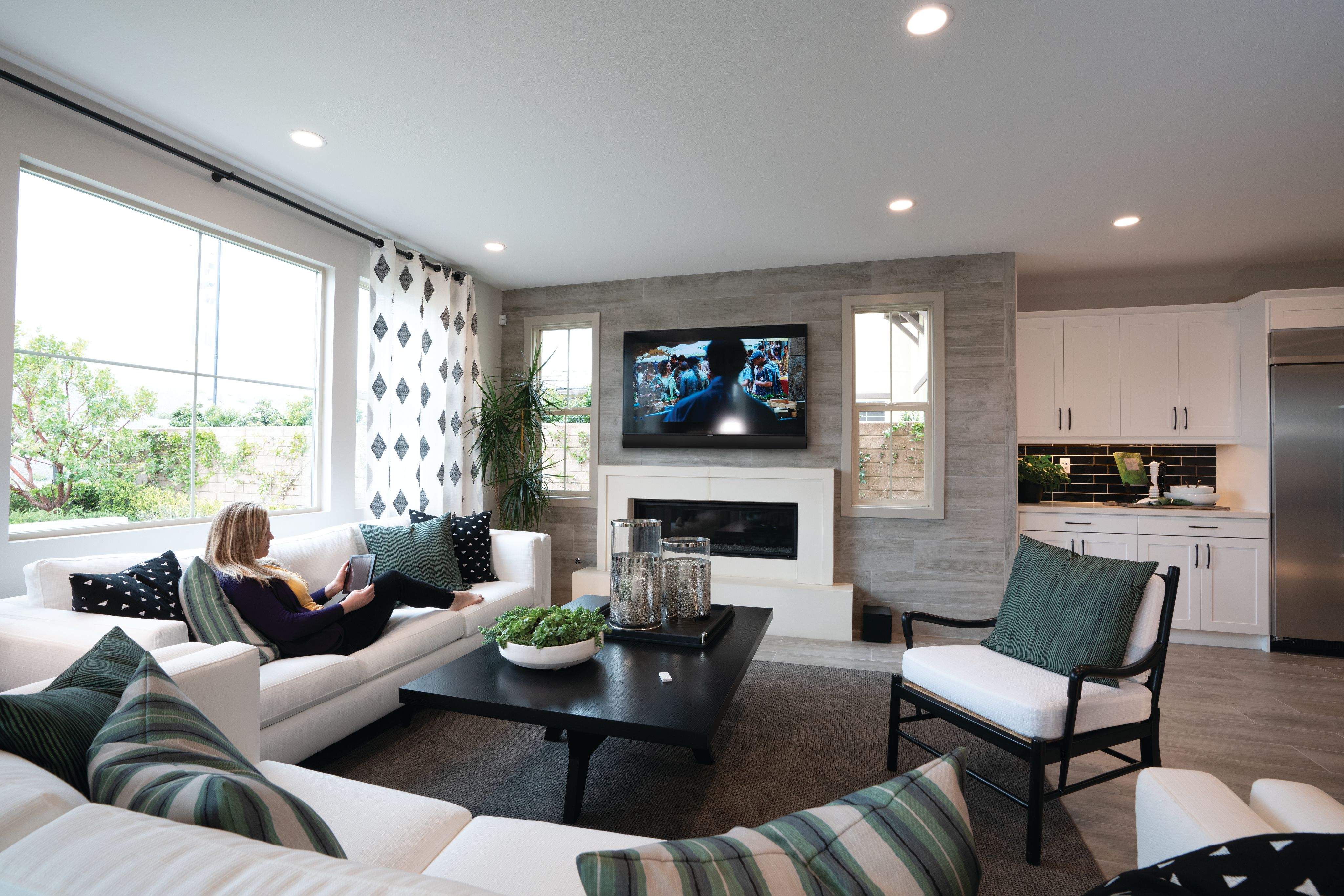
One common example is a “Good Morning” routine. When the alarm goes off, SmartThings can gradually turn on bedroom lights, start the coffee machine, and display weather updates on a Samsung smart TV or smart display. This creates a smoother start to the day without needing to operate multiple devices separately.
Another useful scenario is energy management. SmartThings can monitor energy usage from connected appliances and help homeowners reduce unnecessary consumption. For example, lights can automatically turn off when no motion is detected, and thermostats can adjust temperatures when the house is empty. This type of automation is especially attractive for eco-conscious homeowners who want to lower energy costs.
SmartThings also improves home security and monitoring. Door sensors, cameras, and motion detectors can send alerts directly to the user’s phone if unusual activity is detected. Even when traveling, homeowners can check live camera feeds, lock doors remotely, or turn lights on and off to make the home appear occupied.
For property developers and modern homeowners, these real-world applications demonstrate how connected technology can make homes more efficient, secure, and convenient.
Key takeaway: SmartThings transforms daily routines by automating lighting, security, and energy management throughout the home.
Q/A
Q: Do I need a SmartThings hub to use Samsung smart home devices?
Some devices connect directly through Wi-Fi and only require the SmartThings app, while others may use a SmartThings hub for broader compatibility with sensors and automation devices.
Q: Can SmartThings work with voice assistants?
Yes. SmartThings can integrate with voice assistants, allowing users to control lighting, appliances, and routines using voice commands.
Q: Can multiple users control the same home?
Yes. Family members can be invited to access and control devices through the SmartThings app.
Key takeaway: SmartThings offers flexible setup options and supports shared control for connected households.
The Technology Behind SmartThings: Connectivity, Hubs, and Cloud Control
Behind the convenience of Samsung’s smart home ecosystem is a combination of wireless technologies and cloud-based control systems that allow devices to communicate smoothly. The SmartThings platform is designed to connect different types of smart devices, even when they use different communication protocols.
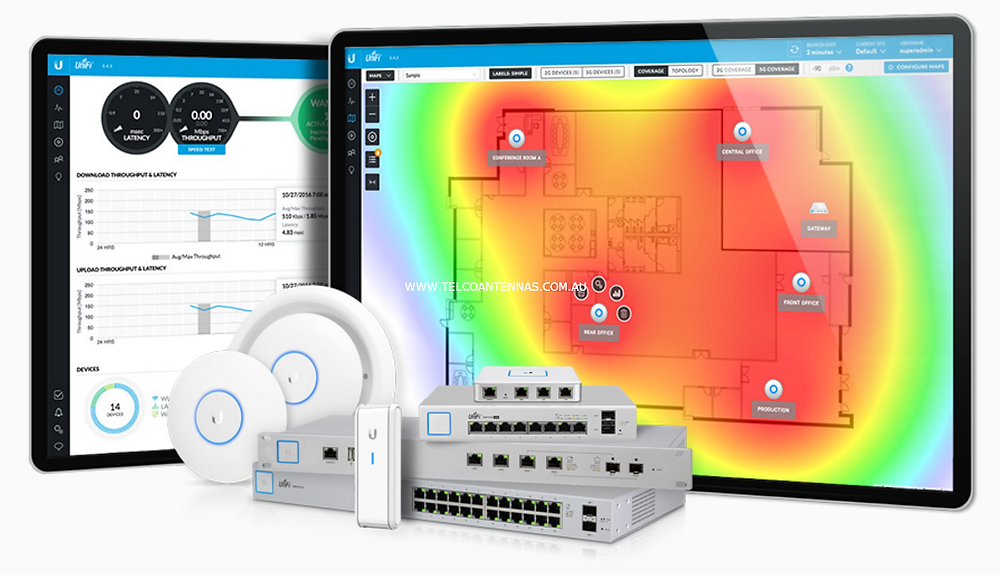
Many smart devices connect through Wi-Fi, which allows direct communication with the SmartThings app using a home internet network. Wi-Fi devices include smart TVs, appliances, cameras, and lighting systems that can be controlled remotely from a smartphone.
For smaller smart home devices such as sensors, switches, and smart locks, SmartThings may use additional protocols like Zigbee or Z-Wave. These wireless technologies are designed for low-power devices and allow sensors to communicate efficiently without draining battery life. When these devices are used, a SmartThings Hub can act as the bridge connecting them to the main platform.
Another important element is cloud connectivity. SmartThings stores device status and automation routines in the cloud, allowing users to control their home even when they are far away. This makes it possible to receive alerts, monitor devices, or activate automation scenes from anywhere with an internet connection.
As the system grows, users can easily add new devices and automation rules, making the smart home network more powerful over time.
Key takeaway: SmartThings combines Wi-Fi, smart device protocols, and cloud connectivity to create a flexible and scalable smart home system.
Multiple wireless protocols: SmartThings supports Wi-Fi, Zigbee, and Z-Wave devices.
Flexible device connectivity: Appliances, sensors, cameras, and lighting can all join the same system.
Cloud-based control: Users can monitor and manage devices remotely.
Scalable ecosystem: New smart devices can be added anytime.
Key takeaway: SmartThings uses multiple communication technologies to create a flexible and expandable smart home network.
Future-Ready Living: Expert Tips for Building a Smart Home with Samsung
When building a smart home with Samsung SmartThings, starting with a clear strategy can help create a system that grows easily over time. Experts often recommend beginning with a few core devices, such as smart lighting, sensors, and security cameras, and then expanding the system as new needs appear.
One useful tip is to design automation routines around daily habits. For example, motion sensors can automatically turn on hallway lighting at night, while energy monitoring plugs can track how much electricity certain appliances use. These small automations gradually create a more responsive and efficient home environment.
Another important factor is device compatibility. SmartThings works with many brands, so homeowners can combine Samsung appliances with other smart devices such as smart locks, lighting systems, and environmental sensors. This flexibility makes it easier to build a customized smart home rather than relying on a single manufacturer.
Looking ahead, Samsung continues to develop SmartThings with AI-driven automation and improved device integration. Future updates may allow systems to learn user behavior patterns and automatically optimize lighting, temperature, and energy usage. Integration with smart displays and appliances will also make monitoring the home even more intuitive.
As smart home technology evolves, platforms like SmartThings are expected to become the digital foundation that connects every part of modern living spaces.
Key takeaway: SmartThings allows homeowners to build a flexible smart home today while preparing for future AI-driven automation.
Q/A
Q: How many devices can be connected to SmartThings?
SmartThings can support dozens of devices depending on the network setup, allowing users to expand their smart home gradually.
Q: Can SmartThings help reduce energy costs?
Yes. By automating lighting, climate control, and appliance usage, SmartThings can help reduce unnecessary energy consumption.
Q: Is SmartThings suitable for large homes?
Yes. The platform is scalable and works well for both small apartments and larger homes with many connected devices.
Key takeaway: SmartThings is scalable and flexible, making it suitable for growing smart home systems.
Samsung SmartThings acts as the central platform that connects multiple smart home devices into one unified system.
Users can control lighting, appliances, security devices, and sensors through a single mobile application.
SmartThings supports both Samsung products and many third-party devices, making it a flexible smart home ecosystem.
Automation routines allow homeowners to create personalized experiences such as morning routines, security monitoring, and energy-saving scenes.
The platform uses Wi-Fi, Zigbee, and Z-Wave protocols, enabling communication between different types of devices.
Cloud connectivity allows homeowners to monitor and control their homes remotely from anywhere with an internet connection.
SmartThings improves energy efficiency, home security, and daily convenience through intelligent automation.
The ecosystem can expand easily as users add new smart devices over time.
Future development focuses on AI-powered automation and deeper integration with Samsung appliances and smart displays.
Key takeaway: Samsung SmartThings provides a flexible and scalable platform for building a connected, automated, and efficient smart home.
Smart home technology is changing the way people interact with their living spaces. With Samsung SmartThings, it is possible to connect lighting, appliances, security devices, and sensors into one intelligent system that simplifies everyday life.
Whether you want better home security, improved energy management, or convenient automation, a professionally designed smart home system can help you get the most from modern technology. From planning the right devices to integrating them into a seamless ecosystem, expert guidance makes the process easier and more efficient.
Ready to create your connected home? Contact our team today to explore smart home solutions designed around your lifestyle.