Smart Home Automation Planning Guide for Architects, Builders & Developers
Designing a home today is no longer just about walls, windows, and finishes. It is about infrastructure, intelligence, and long-term adaptability. Smart Home Automation Planning must begin during the architectural design phase, not after drywall goes up. When technology is treated as part of the blueprint rather than an afterthought, the result is seamless, scalable, and future-ready.
For homebuilders and architects, early coordination prevents costly retrofits and visible compromises. For homeowners planning renovations or new builds, it ensures that lighting control, audio systems, security, networking, and climate automation work together under one cohesive system. Interior designers benefit too, proper planning allows for hidden speakers, flush-mounted keypads, concealed racks, and clean sightlines that protect the aesthetic vision.
Smart home integrators should be involved alongside electrical, HVAC, and lighting consultants from day one. Structured cabling pathways, equipment room allocation, Wi-Fi heat mapping, and load planning all depend on collaboration during design.
A well-planned automation system does more than add convenience; it protects property value, improves energy efficiency, and creates a living experience that feels effortless.
Key takeaway: Smart home automation should be designed with the house, not added to it later.
Smart home automation planning should begin during architectural drawings, not after construction starts.
Pre-wiring during the build phase costs significantly less than retrofitting later.
A strong wired network backbone is more reliable and secure than relying only on wireless devices.
Centralised equipment rooms improve maintenance, cooling, and long-term scalability.
Budgeting 3–8% of the total build cost for automation is common in custom smart homes.
Key takeaway: Early coordination reduces cost, increases reliability, and protects future flexibility.
Clean design integration with no visible wires or retrofits
Strong infrastructure ready for future upgrades
Higher property value and buyer appeal
Unified control of lighting, climate, security, and entertainment
Key takeaway: Planning smart technology early creates efficiency, elegance, and long-term value.
Q/A
Q: When should smart home automation planning begin?
A: It should begin during the architectural design phase, ideally before electrical plans are finalised. This allows proper placement of wiring, equipment rooms, keypad locations, sensors, and networking infrastructure without costly changes later.
Q: Who should lead the technology planning conversation?
A: A certified smart home integrator should collaborate with the architect, builder, and interior designer. Technology affects lighting layouts, ceiling details, cabinetry, HVAC planning, and even furniture placement. Early teamwork ensures the system supports both performance and aesthetics.
Key takeaway: Automation planning must start early and be led by coordinated professionals.
Infrastructure First: Wiring, Network & System Foundations
The success of any smart home automation system begins behind the walls. Infrastructure planning is the most critical phase, yet it is often the least visible. A strong foundation ensures performance, reliability, and future scalability.
Structured cabling should include CAT6 or fibre backbone lines run to key locations throughout the home. Even if certain technologies are not installed immediately, pre-wiring creates flexibility for future upgrades. Dedicated conduit pathways allow additional cables to be pulled later without damaging finished walls.
A centralised equipment room or rack space should be allocated during design. This space requires ventilation, power planning, and accessibility for service. Network switches, routers, audio matrices, and control processors must be housed in a clean, organised environment.
Electrical load planning is equally important. Smart lighting panels, motorised shading systems, and security components require coordination with the electrical contractor. HVAC integration also depends on proper thermostat placement and control wiring.
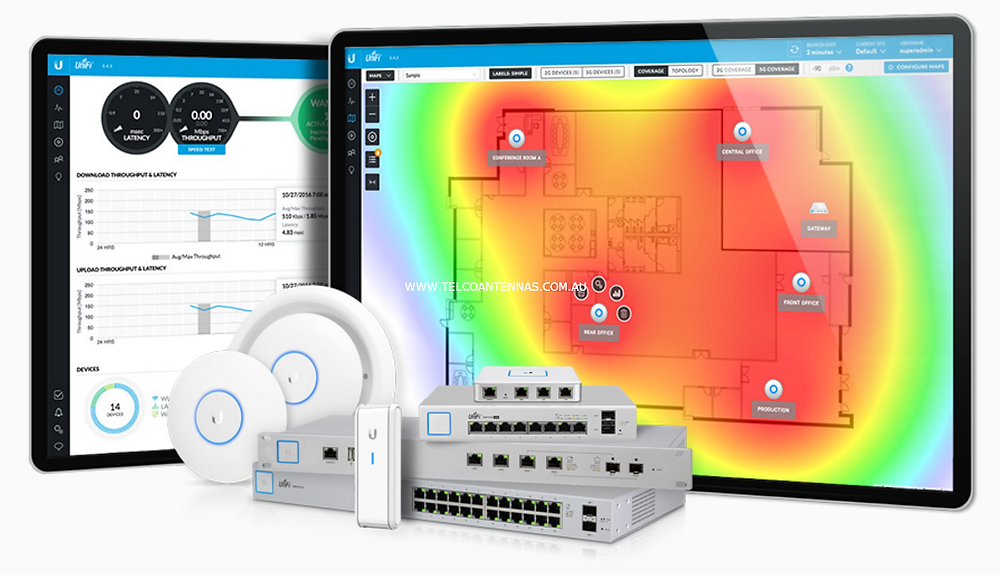
Strong Wi-Fi coverage begins with professional heat mapping and strategic access point placement, not guesswork.
Key takeaway: Invisible infrastructure determines visible performance; plan the backbone first
Structured cabling ensures reliability and long-term flexibility
Centralised equipment rooms improve performance and maintenance
Early coordination with electrical and HVAC teams prevents conflicts
Strong network design supports every smart device in the home
Key takeaway: A smart home is only as strong as the infrastructure behind its walls.
Room-by-Room Smart System Design Strategy
Once the infrastructure is defined, the next step is mapping how technology will function in daily life. Smart Home Automation Planning is not only technical, but also experiential. Every room should be evaluated based on lifestyle, usage patterns, and user expectations.
Lighting control should be designed with scenes in mind: morning, entertaining, relaxation, and night mode. Keypad placement must feel intuitive and align with architectural symmetry.
Audio and video zoning should consider open-concept layouts, kitchen-to-patio transitions, and dedicated media rooms. Hidden speakers, flush mounts, and acoustic treatments must be coordinated with the interior designer.
Security planning includes door access control, camera placement, motion sensors, and remote monitoring. Privacy angles and exterior coverage should be reviewed early with the architect.
Motorised shading systems affect window framing, pocket depth, and power routing. These decisions cannot wait until after the finishes are selected.
Outdoor areas deserve equal attention, landscape lighting, weatherproof speakers, and pool control systems should integrate seamlessly with interior automation.
Key takeaway: Smart design focuses on how each space will be lived in, not just what devices will be installed.
Q/A
Q: Should a smart home rely on wireless or wired systems?
A: A professionally designed system uses both. Wired connections provide stability, speed, and security for core infrastructure like networking, lighting panels, and AV distribution. Wireless devices add flexibility for sensors, mobile control, and expansion. A hybrid approach delivers the best long-term performance.
Q: What does “future-proofing” really mean in automation planning?
A: Future-proofing means designing pathways for upgrades, extra conduit runs, additional rack space, scalable control platforms, and strong network capacity. It does not mean predicting every new device; it means building a system that can evolve without major reconstruction.
Key takeaway: Smart planning balances wired reliability with wireless flexibility and leaves room to grow.
Choosing the Right Automation Platform & Integration Ecosystem
After defining infrastructure and room-by-room functionality, the next step is selecting the right control platform and integration ecosystem. This decision determines how all systems communicate and how intuitive the user experience will be.
Platform selection should prioritise interoperability. Lighting, audio, climate, security, and shading must operate within a unified interface rather than separate apps. A professionally designed control system reduces complexity and improves daily usability.
Network performance is the backbone of integration. Enterprise-grade routers, managed switches, and properly configured VLANs help maintain stability while protecting connected devices. Smart homes are now data ecosystems, not just device collections.
Another major consideration is cloud versus local control. Cloud-enabled systems provide remote access and updates, while local processing ensures reliability during internet outages. The best strategy often combines both.
Cybersecurity must be built into the design phase. Strong encryption, secure remote access, and segmented networks protect both privacy and performance.
Finally, scalability matters. The chosen system should support expansion, additional zones, new rooms, and outdoor features without replacing core components.
Key takeaway: The right platform unifies systems, protects security, and supports future growth.
Choose a unified control platform to avoid multiple disconnected apps
Invest in enterprise-grade networking for stability and security
Combine local processing with cloud access for reliability
Select scalable systems that allow future expansion
Key takeaway: Smart technology works best when systems communicate through one secure, expandable platform.
Smart Home Budgeting, Phasing & Developer Planning Strategy
Smart home automation planning must align with financial strategy as much as technical design. Whether the project is a fully custom residence or a high-end spec build, budgeting should be structured early and transparently.
For custom homes, automation typically represents 3–8% of total construction cost, depending on system complexity. Core infrastructure (networking, wiring, rack space) should always be prioritized first. Lighting control and security usually follow, while distributed audio, theater rooms, and advanced integrations can be layered based on lifestyle and budget.
Phased installation is common. A home can be pre-wired and network-ready, with additional systems activated later. This protects long-term scalability without overloading initial budgets.
For property developers, smart automation increases market differentiation. Buyers increasingly expect integrated lighting, security, and climate control. Even partial automation, like structured wiring and a professional-grade network, adds resale value.
Clear documentation, system diagrams, and user training are critical at project completion. A properly handed-over system reduces service calls and strengthens long-term client satisfaction.
Key takeaway: Smart budgeting prioritises infrastructure first and allows technology to scale strategically over time.
Q/A
Q: How much of the total build budget should be allocated to smart home automation?
A: In most custom homes, automation ranges between 3–8% of total construction cost. Larger estates or homes with dedicated theatres, advanced lighting control, and full outdoor integration may exceed this range. The key is prioritising infrastructure first, then layering lifestyle features.
Q: Can smart automation increase resale value?
A: Yes. Professionally designed systems improve energy efficiency, security, and convenience, features modern buyers actively seek. Even structured wiring and enterprise-grade networking can differentiate a property in competitive markets.
Key takeaway: Smart automation is not just an expense; it is a strategic investment in property value.
Begin smart home automation planning during architectural design
Involve a certified integrator alongside the builder and architect
Prioritise structured cabling and strong network infrastructure
Allocate dedicated rack space with ventilation and power planning
Design lighting, audio, and security room by room
Use a unified control platform for seamless system communication
Combine wired reliability with wireless flexibility
Built in scalability with conduit pathways and expandable systems
Budget strategically: infrastructure first, lifestyle features second
Document and train for long-term performance and client satisfaction
Smart homes succeed when technology is treated as infrastructure, not decoration.
Key takeaway: Early coordination, strong infrastructure, and unified integration define a truly future-ready smart home.**
A truly intelligent home does not begin with devices; it begins with planning. If you are an architect, builder, developer, or homeowner preparing for a new build or major renovation, the design phase is the most powerful moment to integrate smart automation correctly.
At Golden Entertainment, we collaborate directly with architects, interior designers, and construction teams to ensure infrastructure, lighting control, networking, audio, security, and shading systems are seamlessly engineered into the blueprint. Our approach prioritises long-term scalability, clean design integration, and reliable performance from day one.
The earlier we are involved, the more efficient and cost-effective the outcome becomes.
Start your project with a strategic automation consultation before construction begins—and build a home that is ready for the future.